There is a big difference between watching someone photograph a newborn and actually being next to them while a real baby is in front of you.
You can watch a posing tutorial, save beautiful photographs and think you understand how everything works. But when you have a real baby in front of you, things become much more interesting. Babies have their own plans, and they rarely care about the photographer’s carefully prepared shot list. This is exactly why I love teaching newborn photography in person.
Recently, I held a newborn photography workshop near Munich, Germany. We worked with a real family and their one-month-old baby, who also had an older brother. Instead of simply demonstrating a few poses, we created a complete family photography session together. We photographed the baby individually, worked with props and different setups, created portraits with his older brother and photographed the whole family. We also spent time creating beautiful motherhood portraits with the mother and her baby.
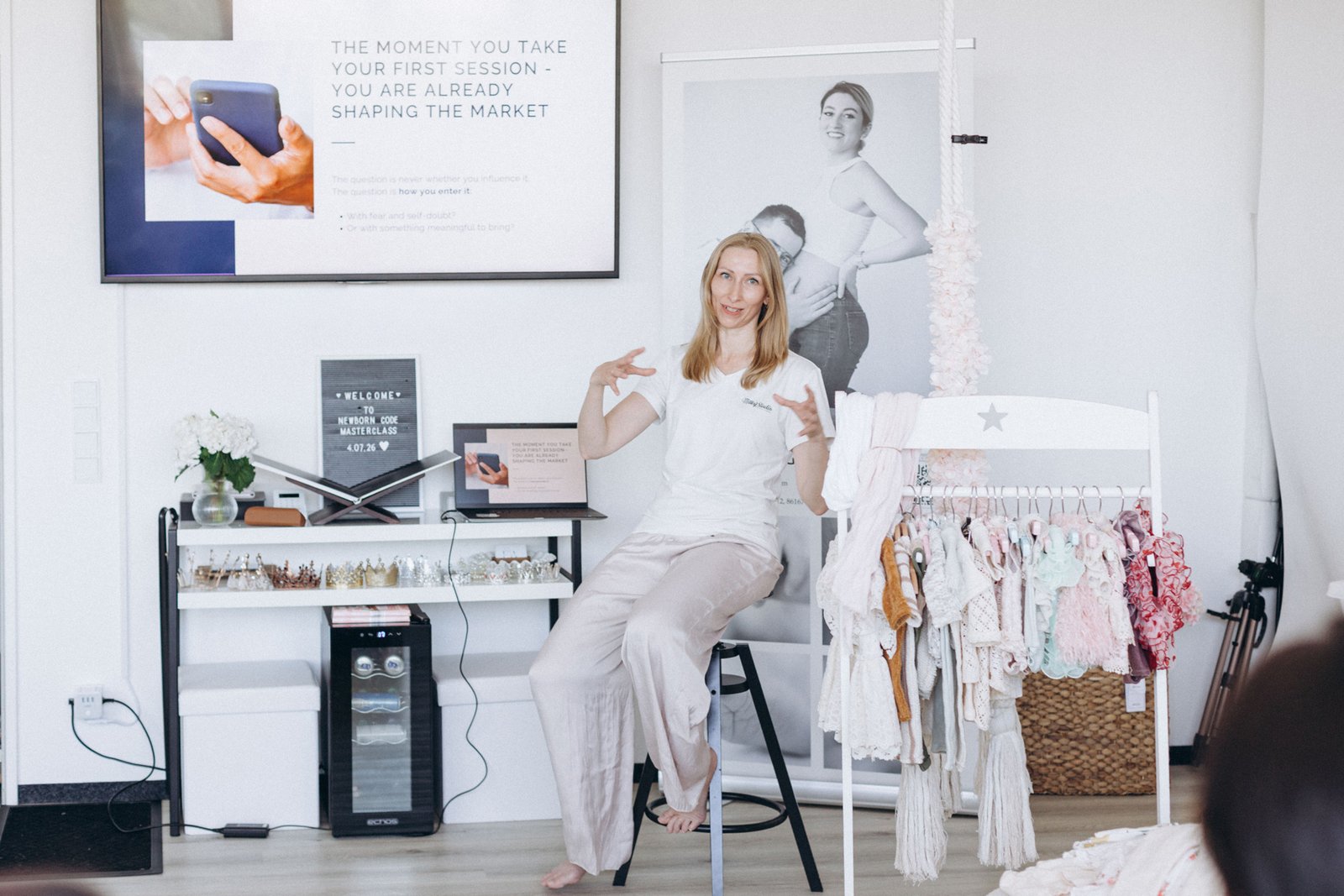
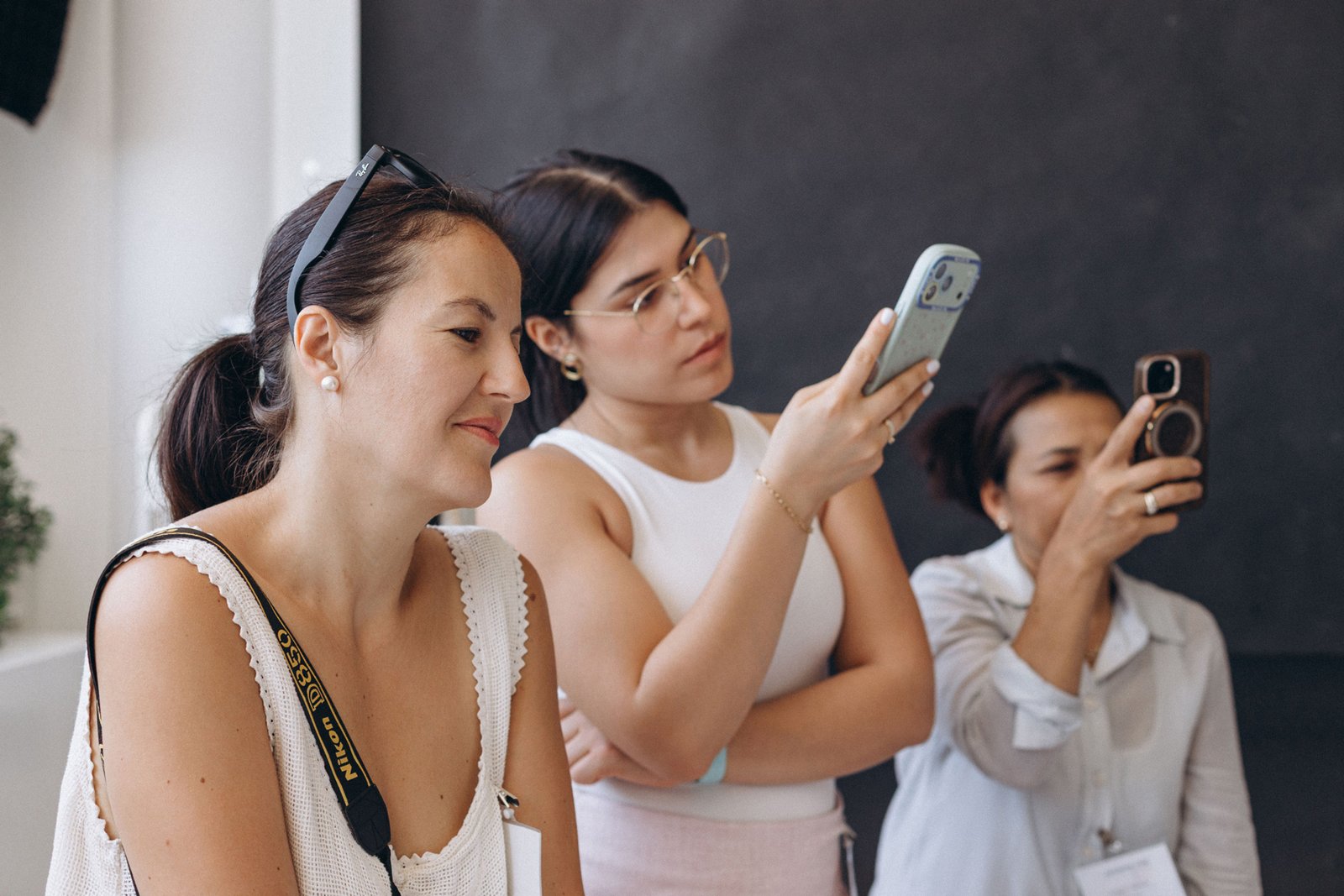
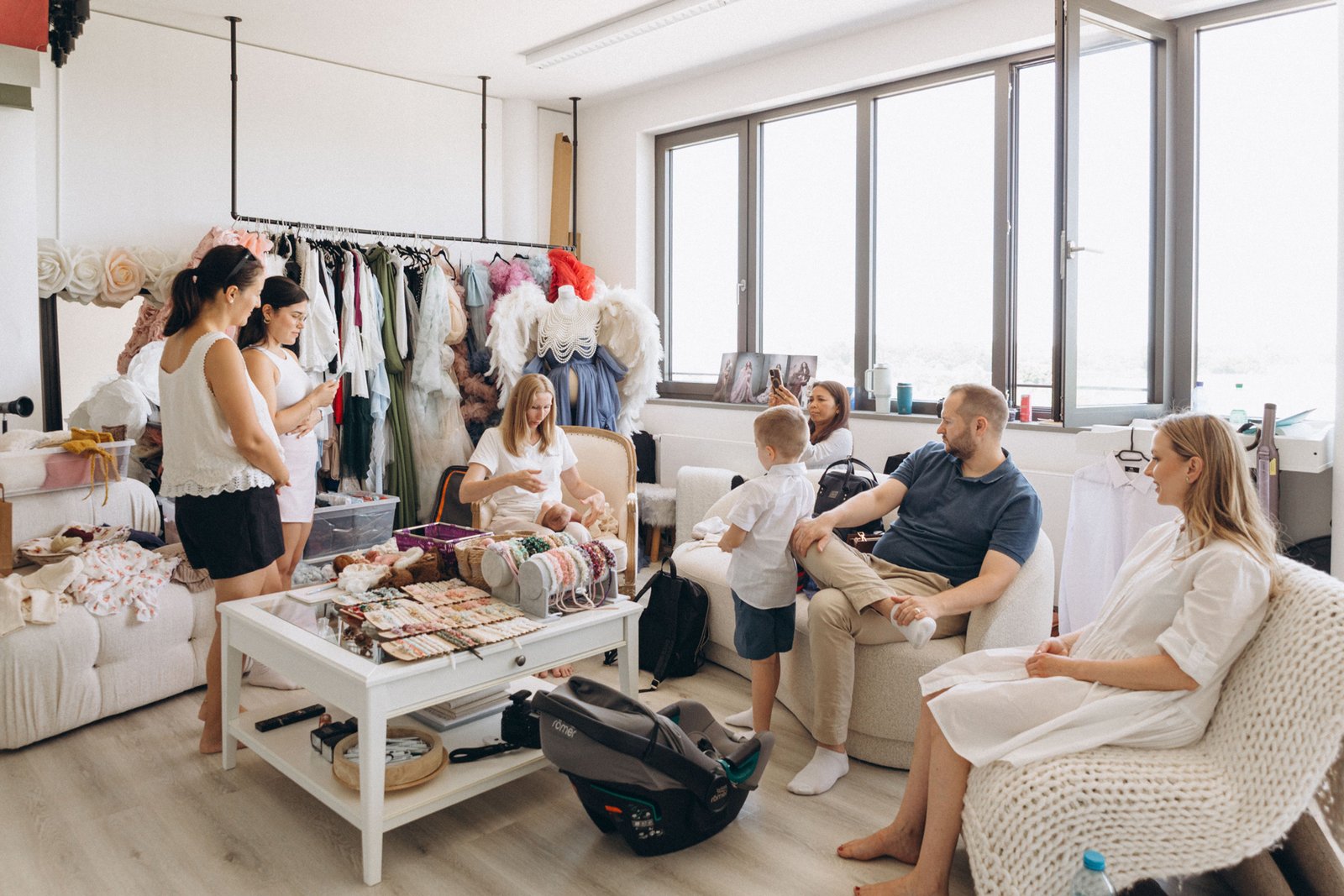
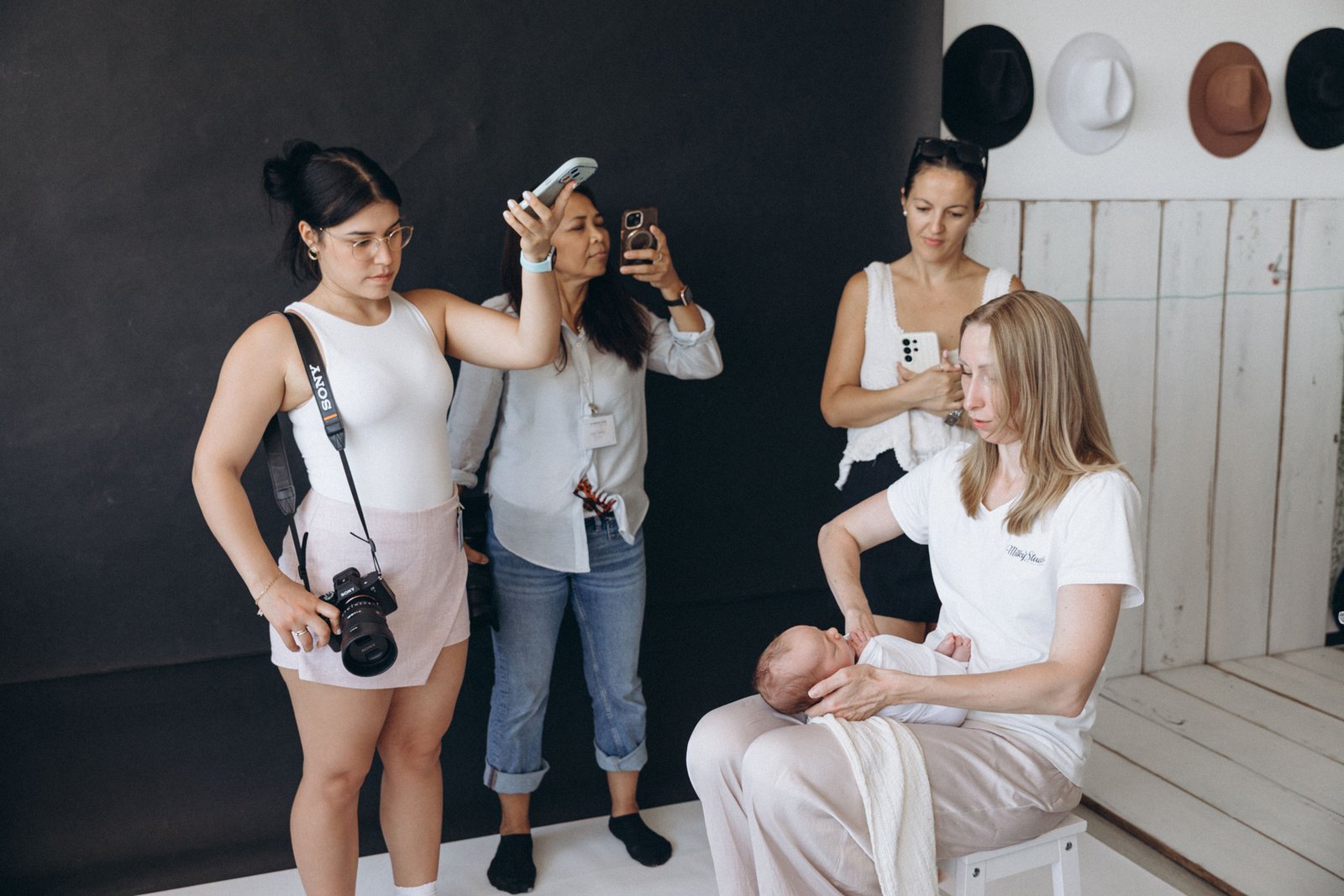
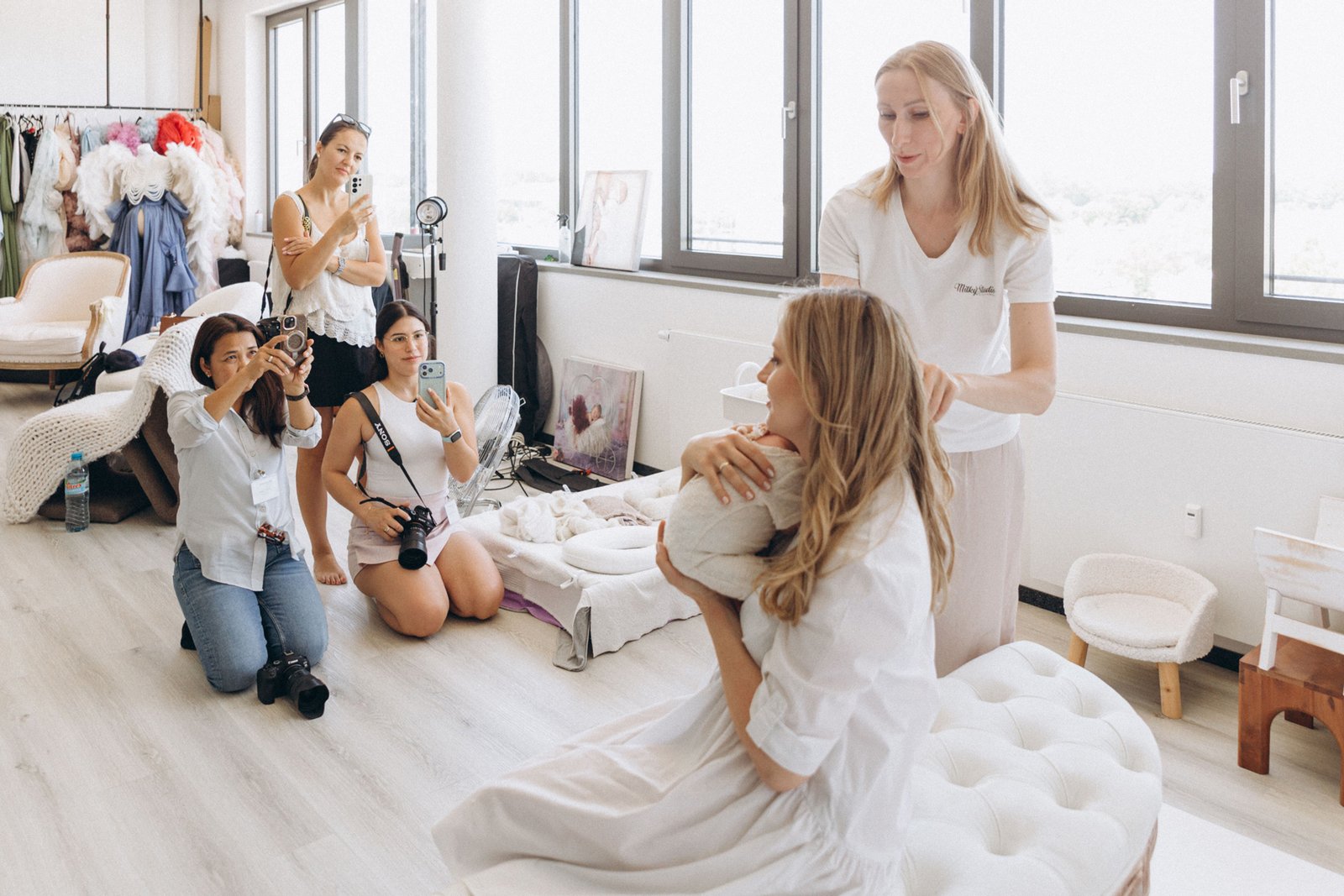
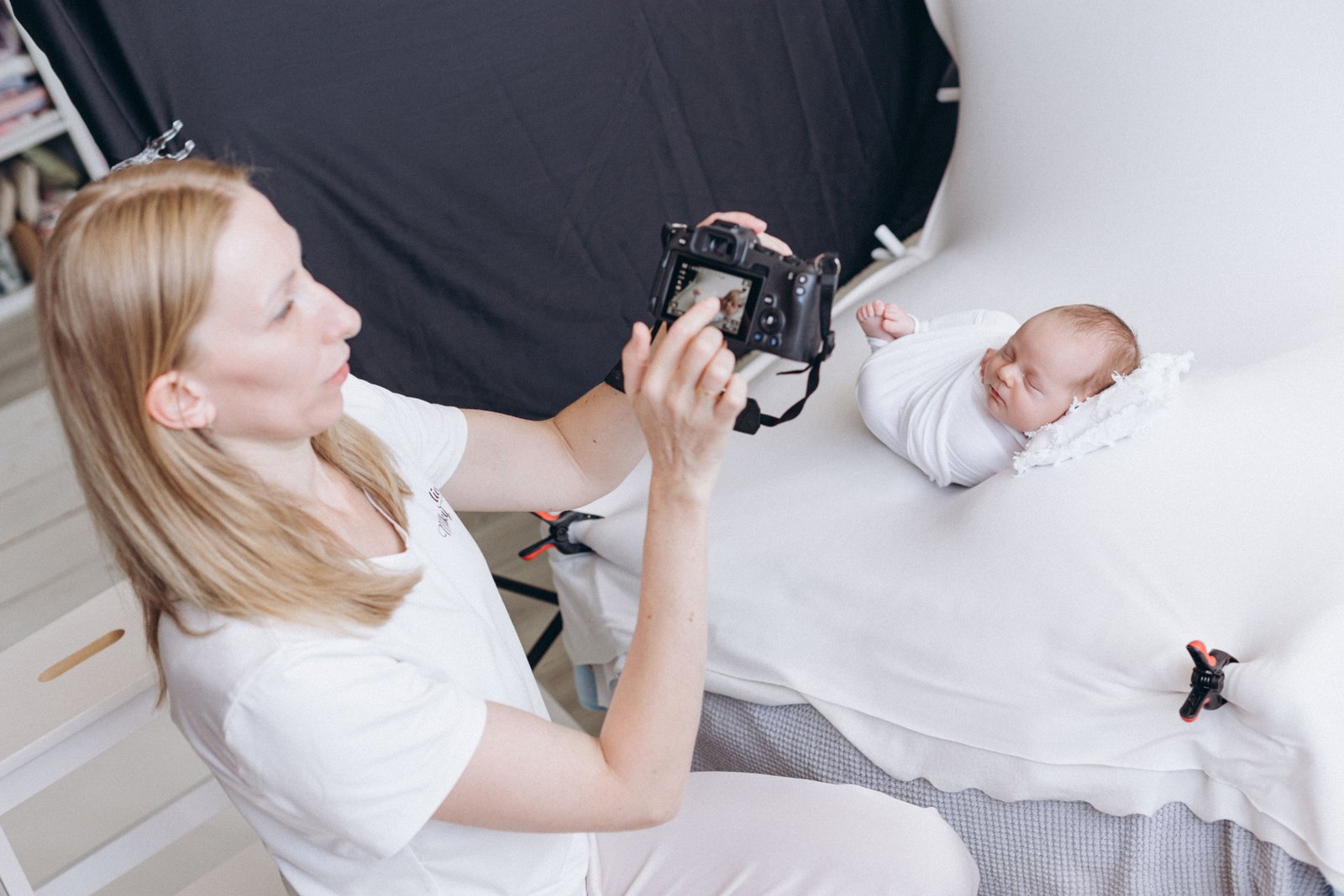
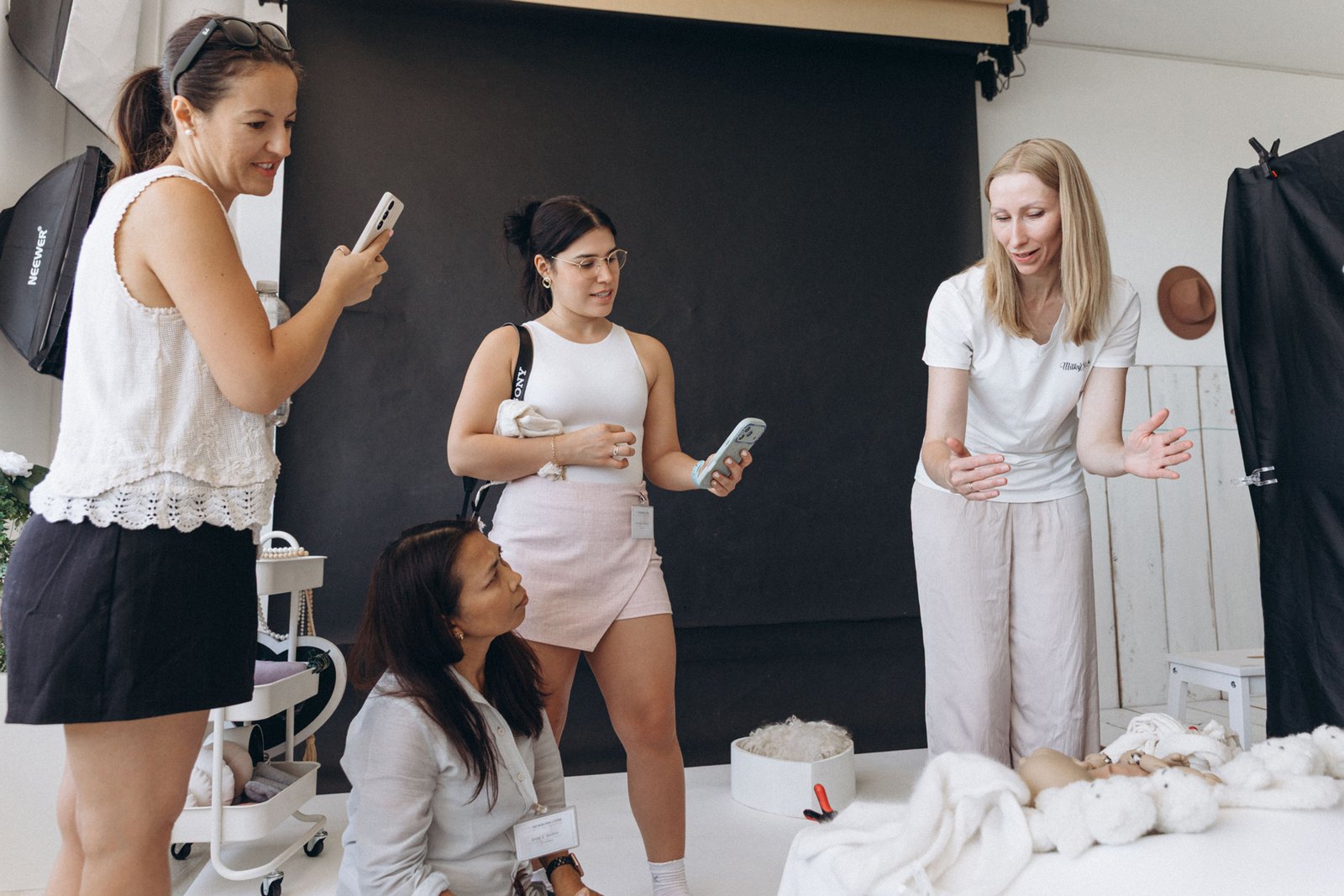
We started with newborn safety, because this always comes first. Then we worked through posing, wrapping, lighting and the workflow of a real session. I showed the photographers how I approach the baby, how I decide which pose to use, how I change my approach when the baby’s mood changes and how I move from one part of the session to the next. I also wanted them to see that newborn photography is not only about photographing the baby. Working with the family is a huge part of the experience. During the session, we photographed parents with their baby, the mother and baby together, the older brother with his little brother and the entire family. Each situation required a slightly different approach, and the photographers could see how I communicate with the family and guide them through the photographs.
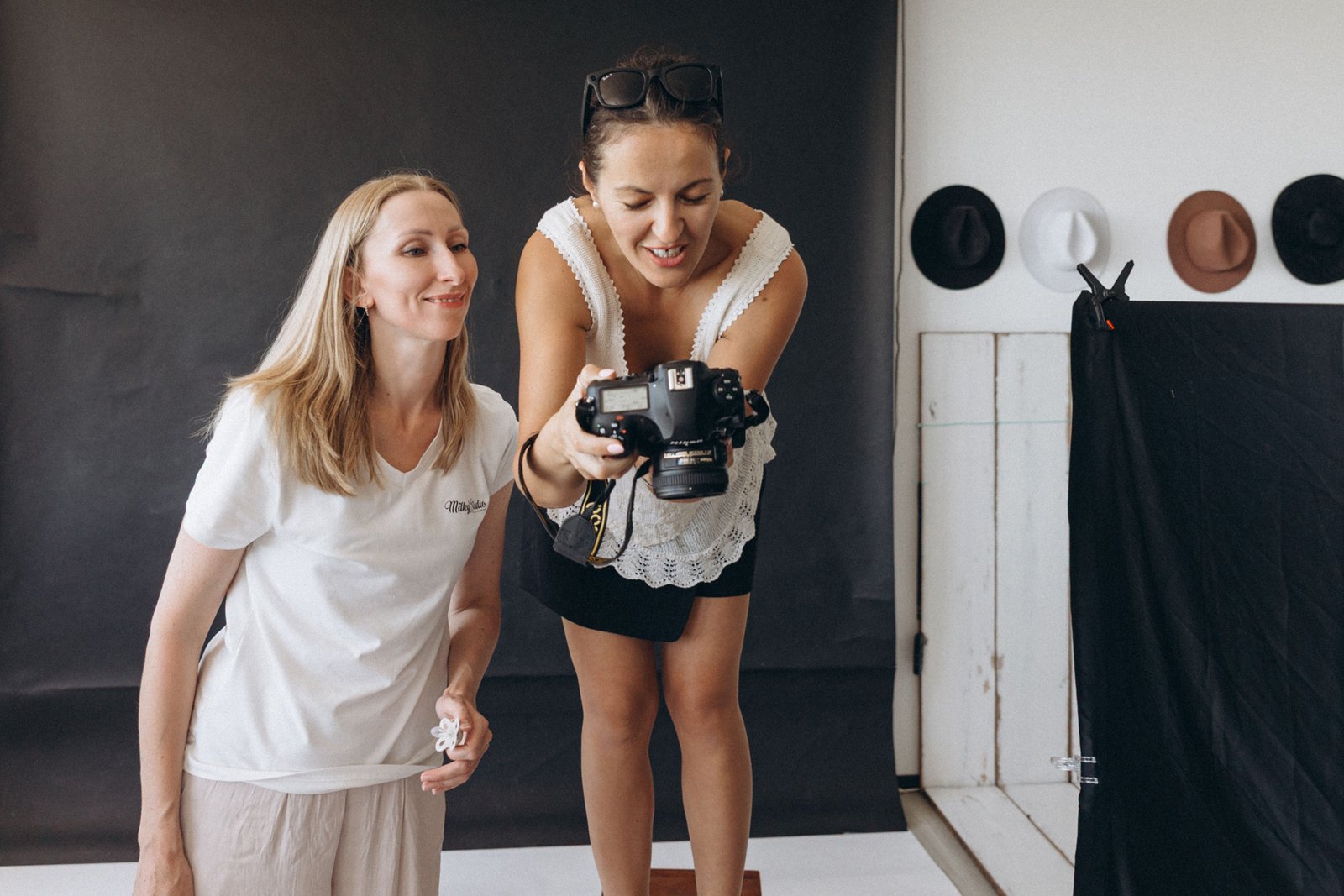
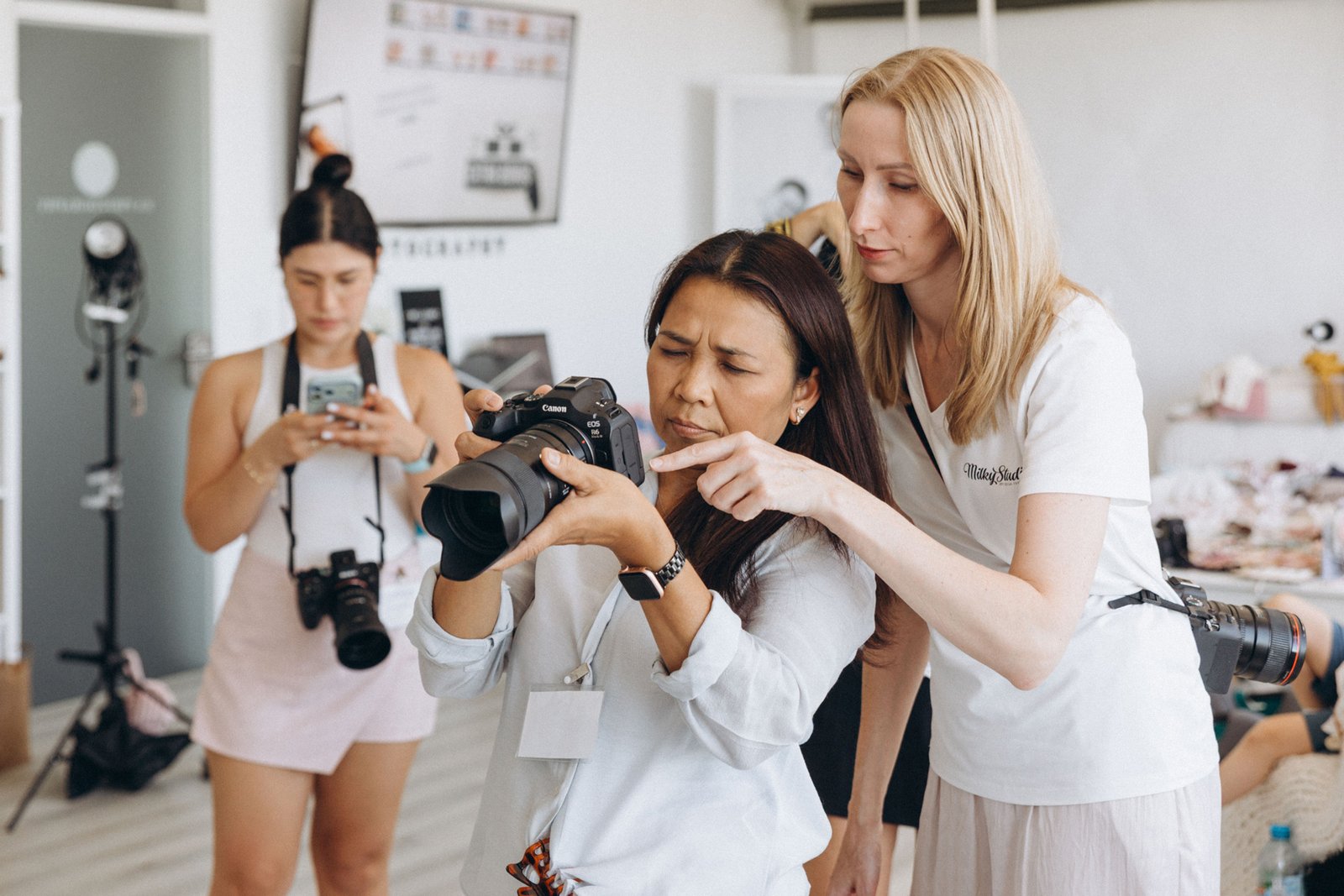
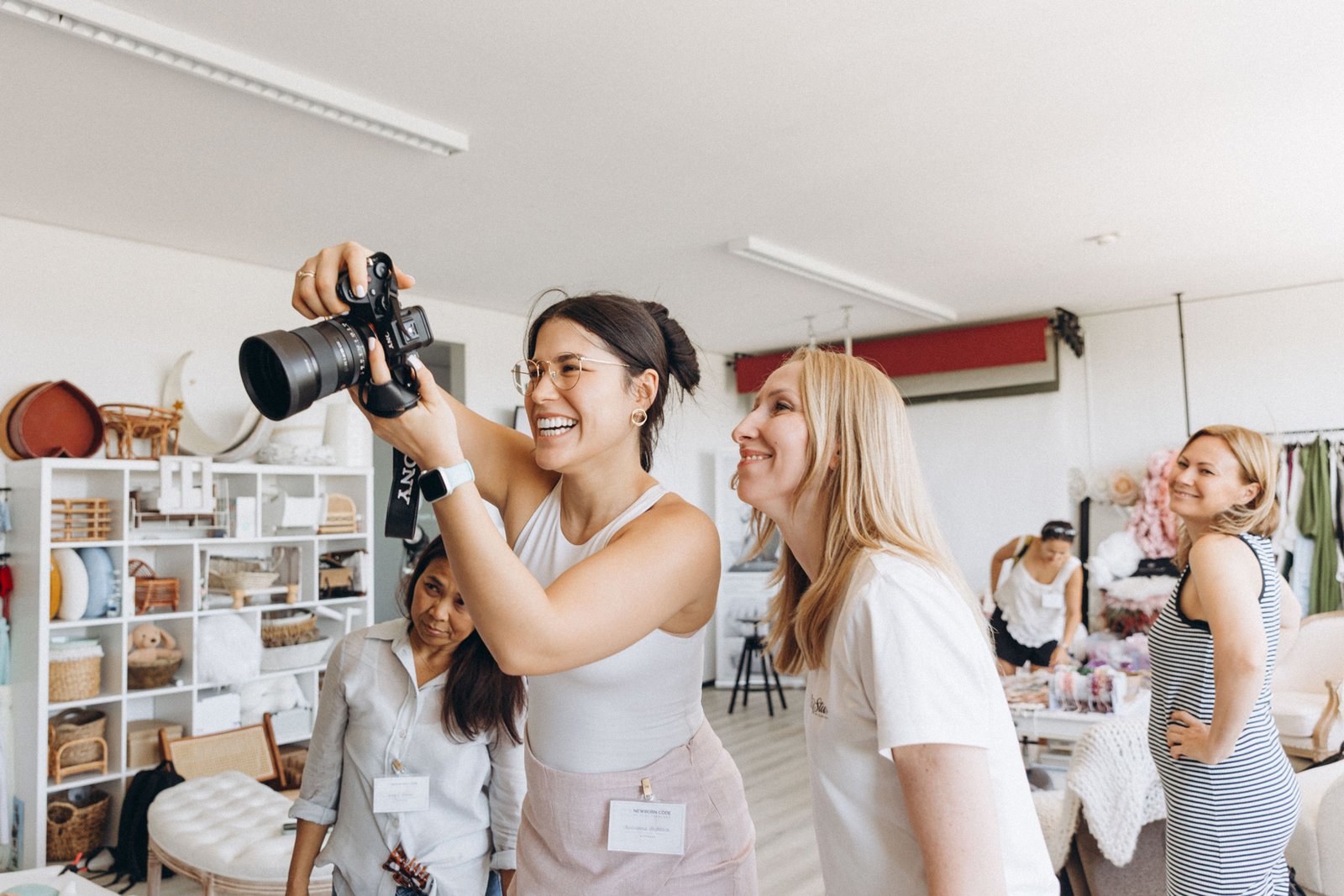
One of the things I especially wanted the photographers to experience was how much can change simply by changing your position. During the practical shooting, I worked with them directly and showed them different camera angles and ways to approach the baby. Sometimes I would take their camera and physically show them the angle I was looking for. Then they could immediately try it themselves. By the end of the session, they were not simply looking at my photographs. They had a much clearer understanding of where to stand, how to approach the baby and how to find the right angle for their own images.
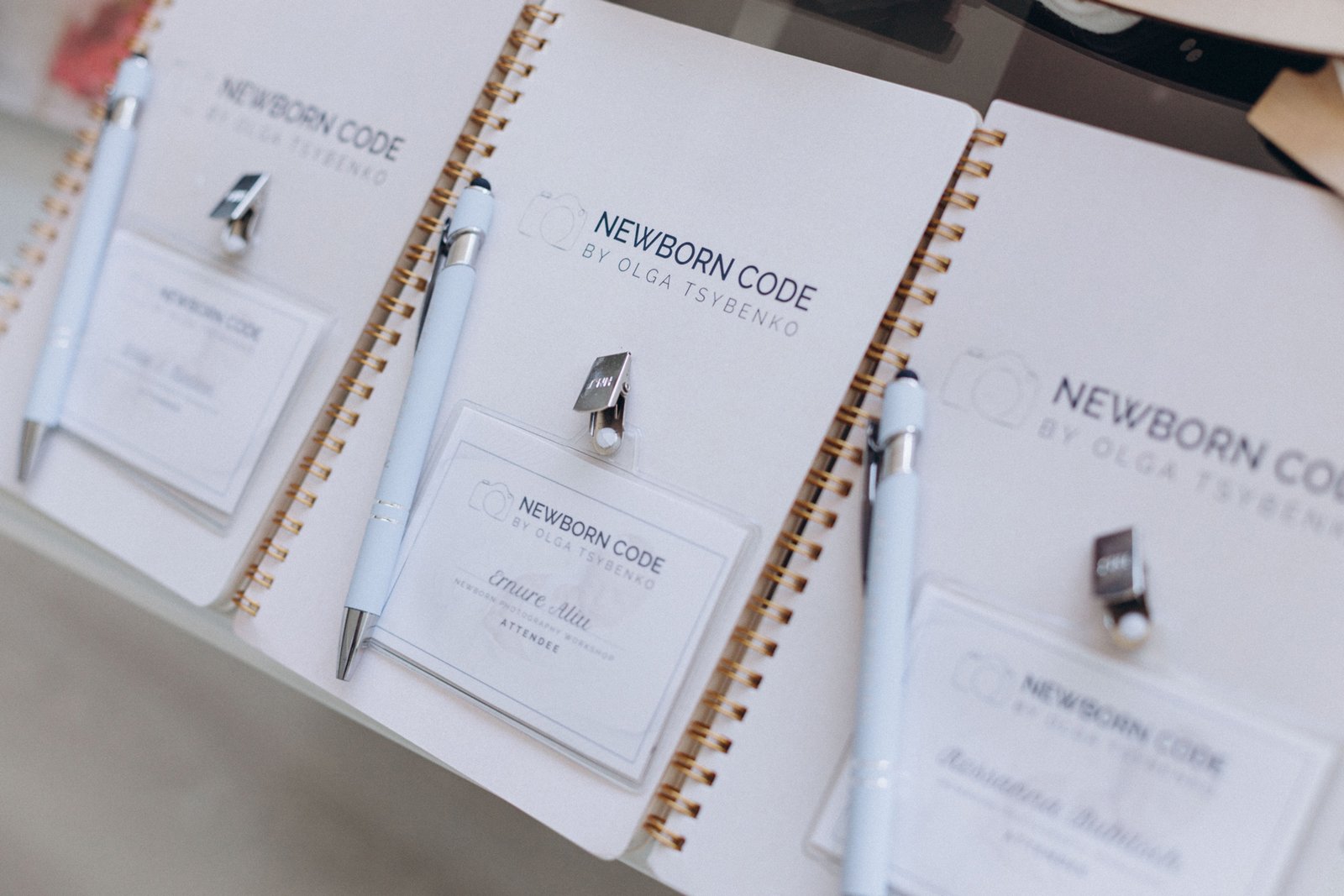
We also talked about something that is just as important for a working photographer: mindset and the client experience. A beautiful photograph is only one part of a successful newborn session. You also need to know how to communicate with parents, guide a family, stay calm when something doesn’t go according to plan and create a workflow that allows the session to feel organised without feeling rigid.
And then there was a little something unexpected. My assistant joined us and created beautiful behind-the-scenes photographs throughout the workshop. It was important for me to have those moments documented because so much happens during a workshop that the photographers themselves don’t always see.
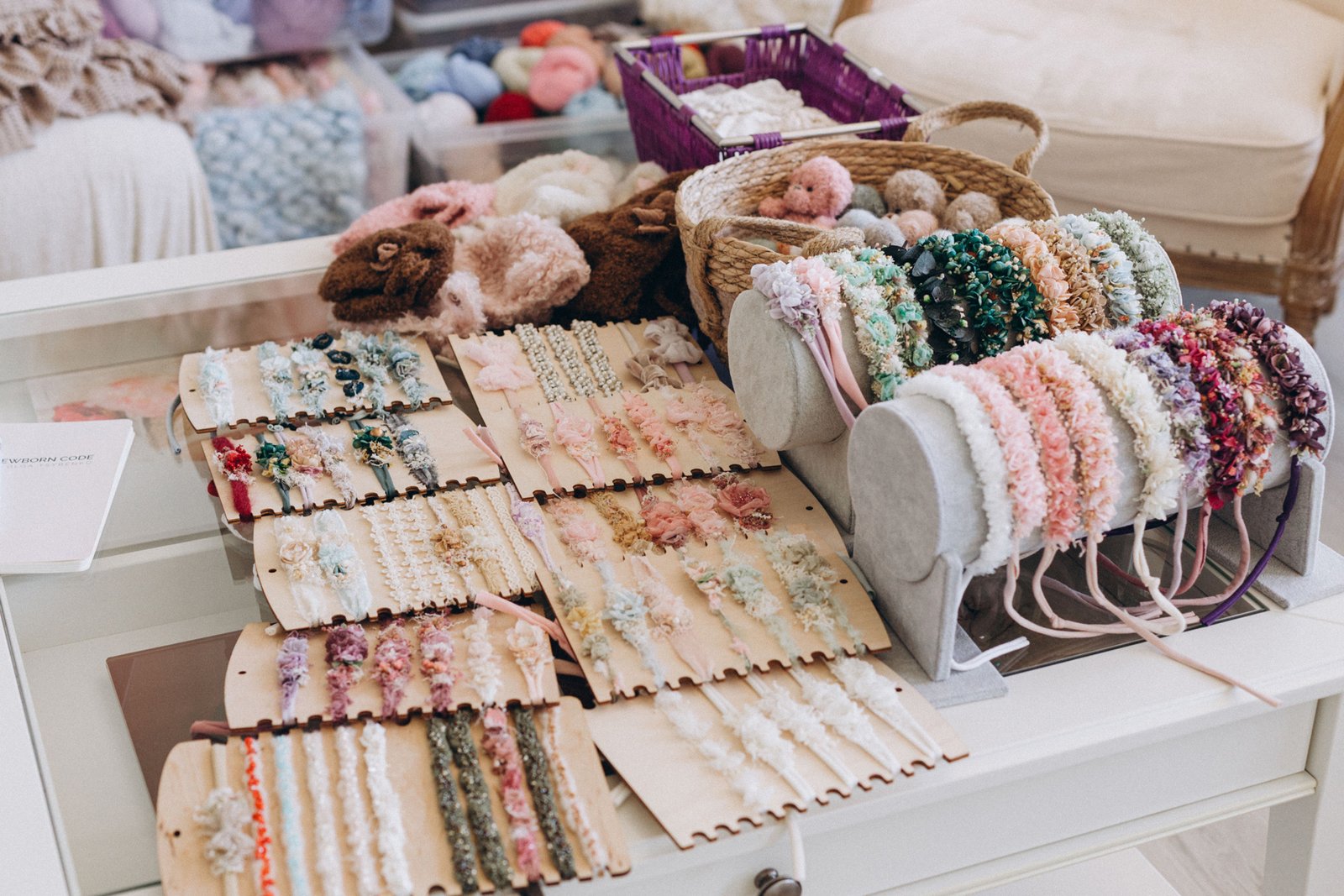
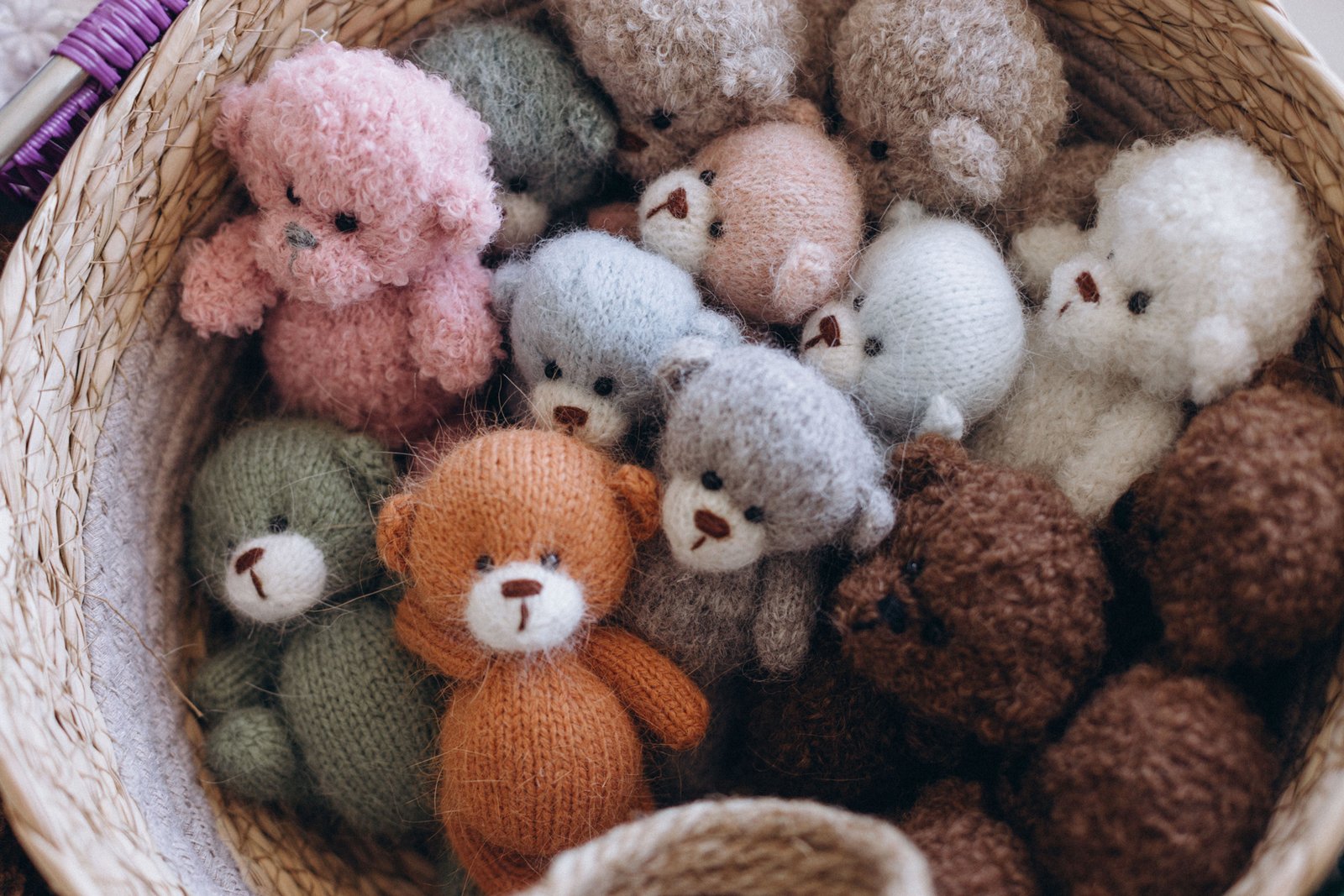
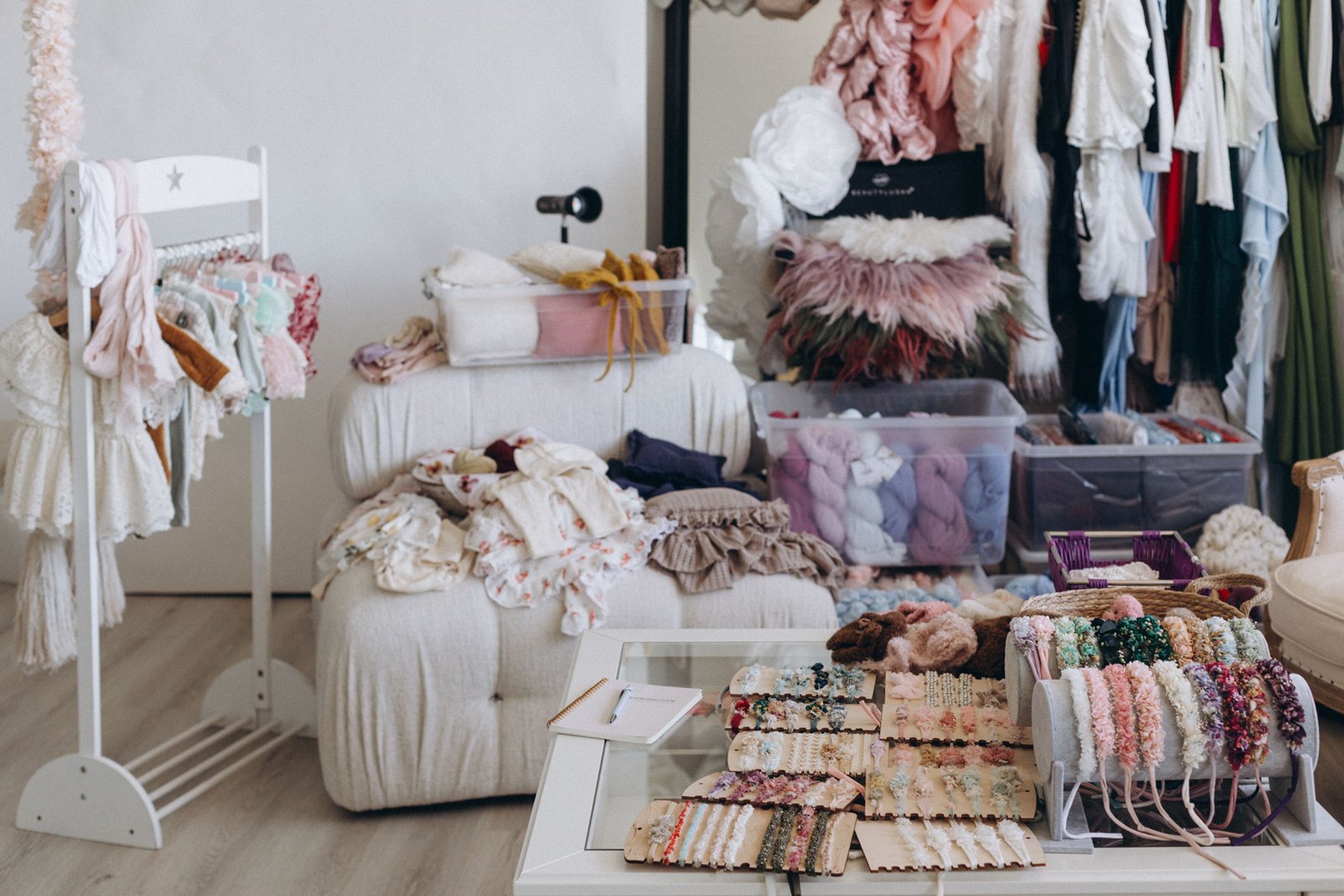
We also had well-known prop vendor with us, who brought a beautiful selection of newborn products, including baby outfits, headbands, lace pieces and other styling details. During the break, the workshop turned into a little market. The photographers could see the fabrics and products in person, touch them, look at the details and choose pieces for their own collections. It was a small part of the day, but it made the workshop feel like much more than a classroom.
There was photography, education, real family interaction, beautiful products and plenty of conversation between people who share the same passion for newborn photography. I always prefer teaching in small groups for this reason.
With three photographers, I can actually see what each person is doing. I can notice where they are standing, look at what they are seeing through the camera and correct something immediately. I can take the camera in their hands, show them an angle and then let them try it themselves. For me, that is much more valuable than simply standing in front of a group and talking for six hours.
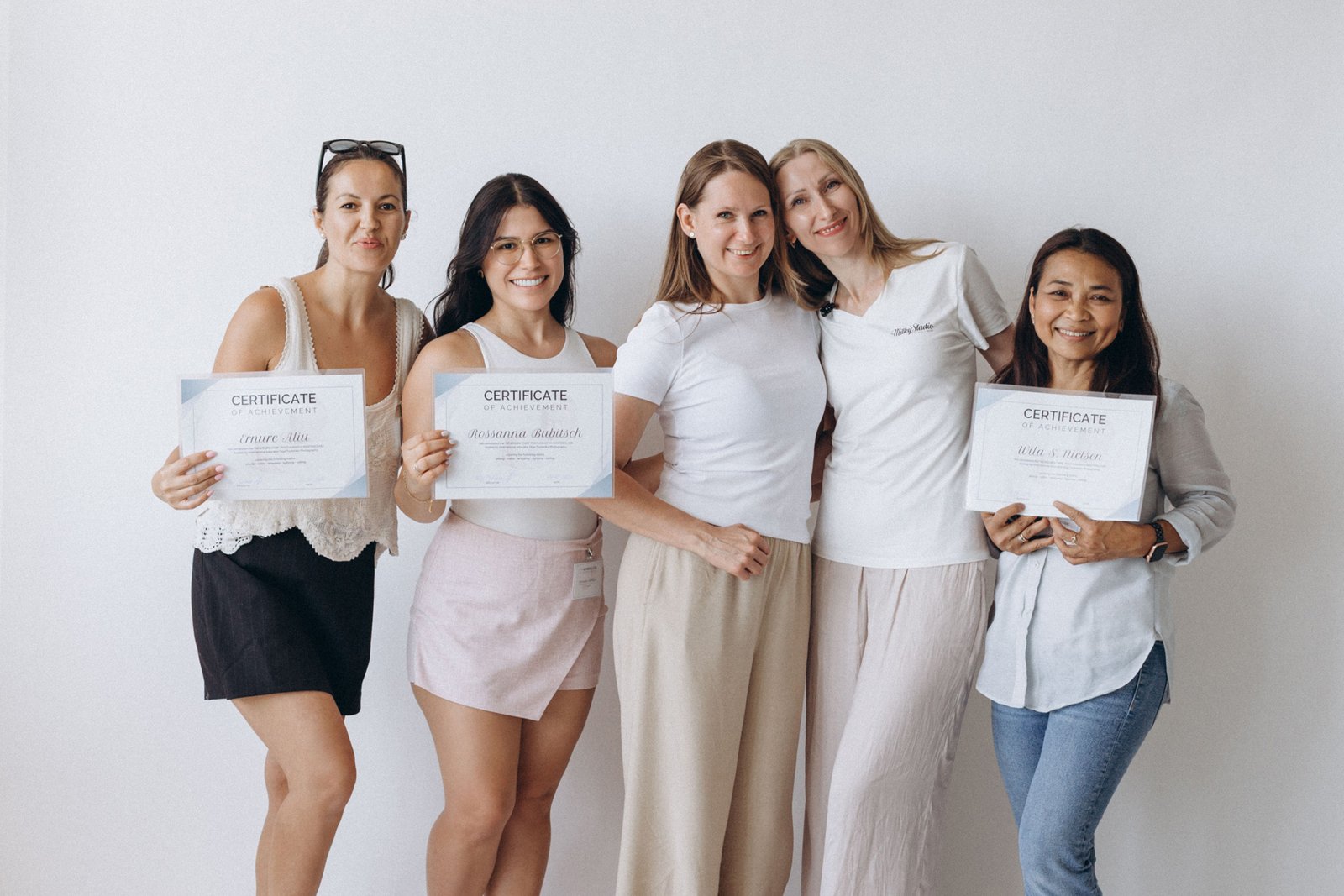
By the end of the workshop, the photographers had photographed a complete newborn and family session, but more importantly, they had experienced the process from the inside. They had seen how I work with a one-month-old baby, how I adapt to the baby’s mood, how I approach posing, how I work with parents and siblings, how I build the workflow and how all of these decisions come together to create a complete gallery. And this is ultimately what I want photographers to take away from my workshops: how to create beautiful photographs while still keeping the experience calm and enjoyable for everyone involved. That is what newborn photography education means to me.
Learn More About Newborn Photography Education →
Залишити відповідь